“God Helpe the Man”
Dec 2020
Divine humility and the masculine initiation of Spenser’s Redcrosse Knight.
Dan Meyer · History, Literature, and Philosophy
 Recent graduate of Duquesne University with a Bachelor’s degree in History and Philosophy and a minor in English. My research centers on Classical Greece and Rome—particularly Plutarch—along with historical morality, teleology, and the philosophy of Nietzsche. More recently, I have turned my attention to the Proto-Indo-Europeans: their cultural influence on Greece and Rome, and their enduring imprint on Western civilization more broadly.
During my time at Duquesne I received the Erik Gerhard Student Award for excellence in history and the Excellence in Service to the Philosophy Department Award, and was inducted into Phi Alpha Theta in April 2021. My fiction appeared in Duquesne’s literary journal :Lexicon. Since graduating, I have continued my independent research, maintaining close working relationships with my professors, with whom I frequently collaborate on teaching, grading, and research.
I currently work at the University of Pittsburgh as Operations Manager of the Dietrich School Scientific Stockroom, which supplies scientific materials—primarily chemicals—to research groups across the university.
In August 2025, I edited and published a two-volume edition of Bernadotte Perrin’s translation of Plutarch’s Parallel Lives—the most recent complete single-author translation of the work, and previously available only through the Loeb Classical Library’s eleven-volume parallel-text edition.
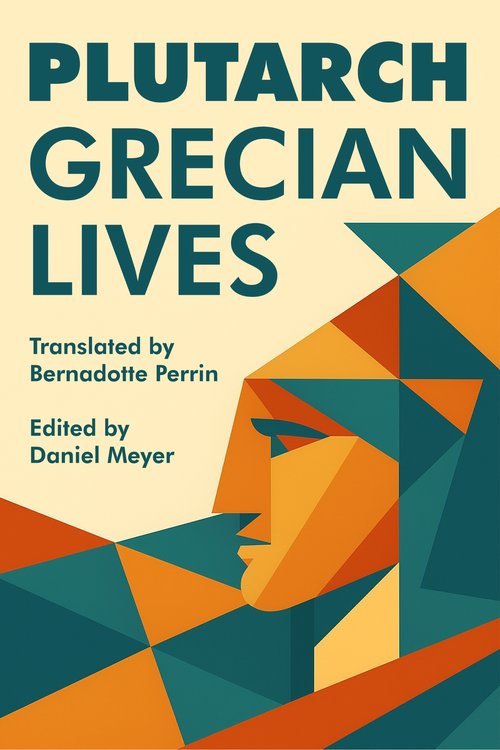
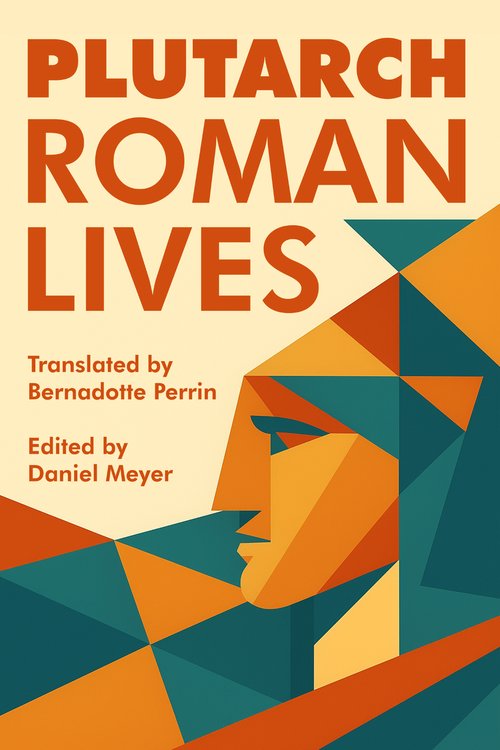
Grecian Lives and Roman Lives together present all of Plutarch’s surviving biographies, arranged chronologically for a more natural reading experience; Grecian Lives also includes Plutarch’s invaluable comparisons of his paired subjects. Already in use at universities across the United States.

A personal reading journal I built for myself: track books and progress, collect quotes and notes, and run a book club—all stored privately, on your own device.
Divine humility and the masculine initiation of Spenser’s Redcrosse Knight.
On the tragedy of an immature hero in Beowulf.
Arthurian romance and British identity at the Crystal Palace, 1851.
Joris-Karl Huysmans and the persistence of the supernatural.
A roundup of what I read between late June and the first day of autumn.
A review of the novel by Philip K. Dick.